





Dew-Point and Dog Paws: The Overnight Moisture Trap No Dubai Owner Sees Coming
As night falls on the city, the air becomes denser, humidity increases, and the temperature slowly slides down to the dew point. Everything around is covered with the thinnest layer of moisture, almost invisible to the eye. But for dogs, especially those who sleep outside or walk in the early morning, this phenomenon turns into an unobvious natural experiment. The soft pads of the paws touch the ground, absorbing cold and moisture, like living microclimate sensors. Every drop, every stream of air, every degree of temperature is part of a system where physics, biology and ecology are intertwined in a single pattern.
Page Content
How Nighttime Humidity is Formed
When the surface temperature drops below the air temperature, condensation begins. The air loses its ability to retain moisture, and it settles on everything on grass, soil, leaves. Morning condensation occurs as a result of the interaction of temperature and humidity. It is at this moment that a microclimate is formed, saturated with moisture and coolness.
The soil cools slowly, releasing heat into the air, creating a temperature gradient. This transition from heat to cold is especially noticeable near the earth, where a microenvironment lives a microcosm saturated with moisture. For a dog, every walk on the grass turns into contact with a natural laboratory: condensation cools the skin of the paws, and wool retains moisture, creating a natural effect of tissue hydration.
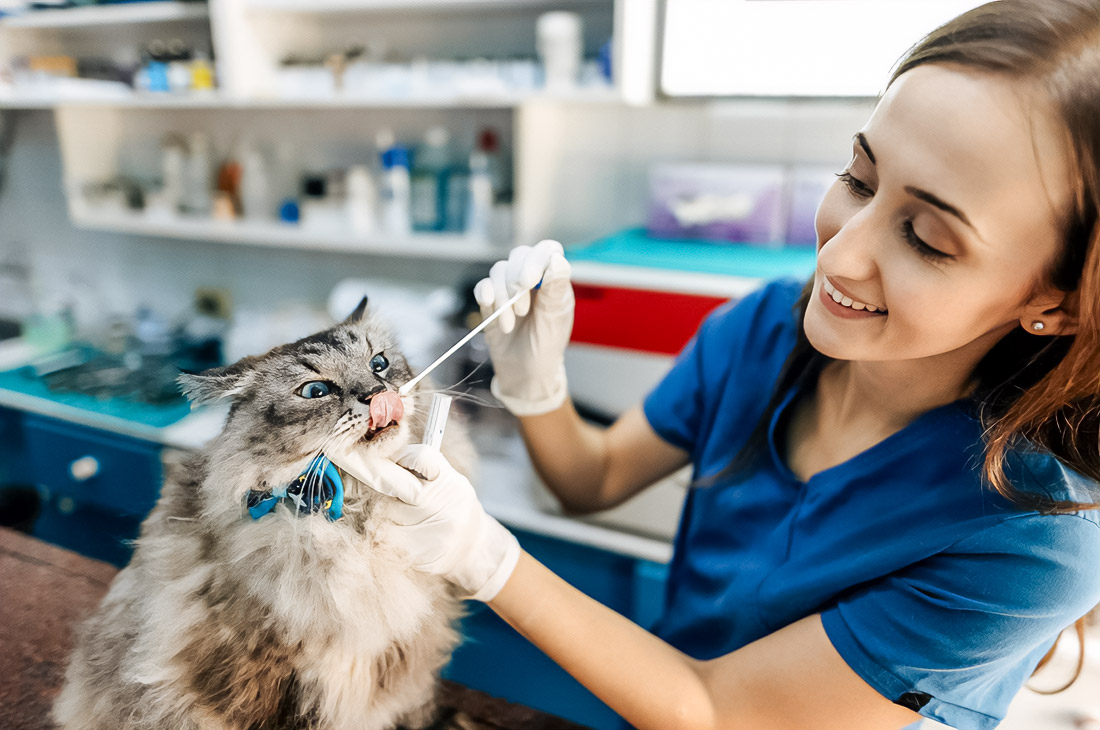
This is how the biophysics of the surface is manifested in a pet clinic in Dubaicontext. The surface tension of moisture combines with heat transfer, and the dew point becomes the boundary between two states of matter dry and wet. This process is not visible to the eye, but it is felt in every touch of the earth.
Paws as a Thermoregulation Tool

Dog paws are not just a prop. It is part of a complex respiratory thermoregulation system. When the air temperature decreases and humidity reaches its maximum, the skin of the pads reacts to the microclimate instantly. Moisture on the surface reduces the evaporative loss of water, stabilizing heat exchange.
The body strives for thermal equilibrium by regulating evaporative cooling. The thermal conductivity of the skin allows heat to accumulate, and the air circulation between the wool fibers creates a balance. At this moment, the body seems to enter into a dialogue with nature feeling its temperature, humidity, pressure.
A humid environment becomes a natural buffer between the body and the external environment. Evaporation slows down, the microenvironment of the skin is filled with moisture, and each cell reacts to this transition. It’s not just a biological process, it’s a form of adaptation honed over centuries of evolution.
Microclimate and Night Adaptation
Soil moisture, seasonal adaptation, and nighttime temperatures create a microecology where every detail matters. When the night is warm, but the air is saturated with moisture, the surface temperature can be several degrees below the air temperature. The condensate settles in a dense layer, like an invisible veil, enveloping everything around.
For a dog, this is not just a morning adventure, it’s a test of resilience. Wool retains moisture, the skin absorbs it, and the body tries to retain internal heat. This interaction does not go unnoticed: it affects the condition of the skin, the moisture level in the pads of the paws, and the thermal balance of the body.
This quiet nighttime biophysics reveals a complex adaptation mechanism. There is an invisible balance between the dew point, temperature gradient, and humidity. It determines how quickly condensate evaporates, how heat is distributed, and how the body adapts to environmental changes.
Between Physics and Biology

The dew point is not just a number in the weather forecast. This is the boundary where physics meets physiology. Where moisture becomes an intermediary between the atmosphere and a living body. At this moment, the dog’s paws turn into a participant in a complex exchange of energy absorbing, cooling, and reacting.
Every morning, when drops shine on the grass, they reflect more than just light. This is a trace of the Earth’s nocturnal breathing, its thermal balance, and its humidity. And a dog walking through the dew becomes part of this natural rhythm combining breathing, warmth and movement into a single system.
This is how an invisible connection is formed: between the body and the weather, between skin and moisture, between night and dawn. Everything is interconnected. And it all starts from the dew point, with a tiny drop that reflects the whole world.